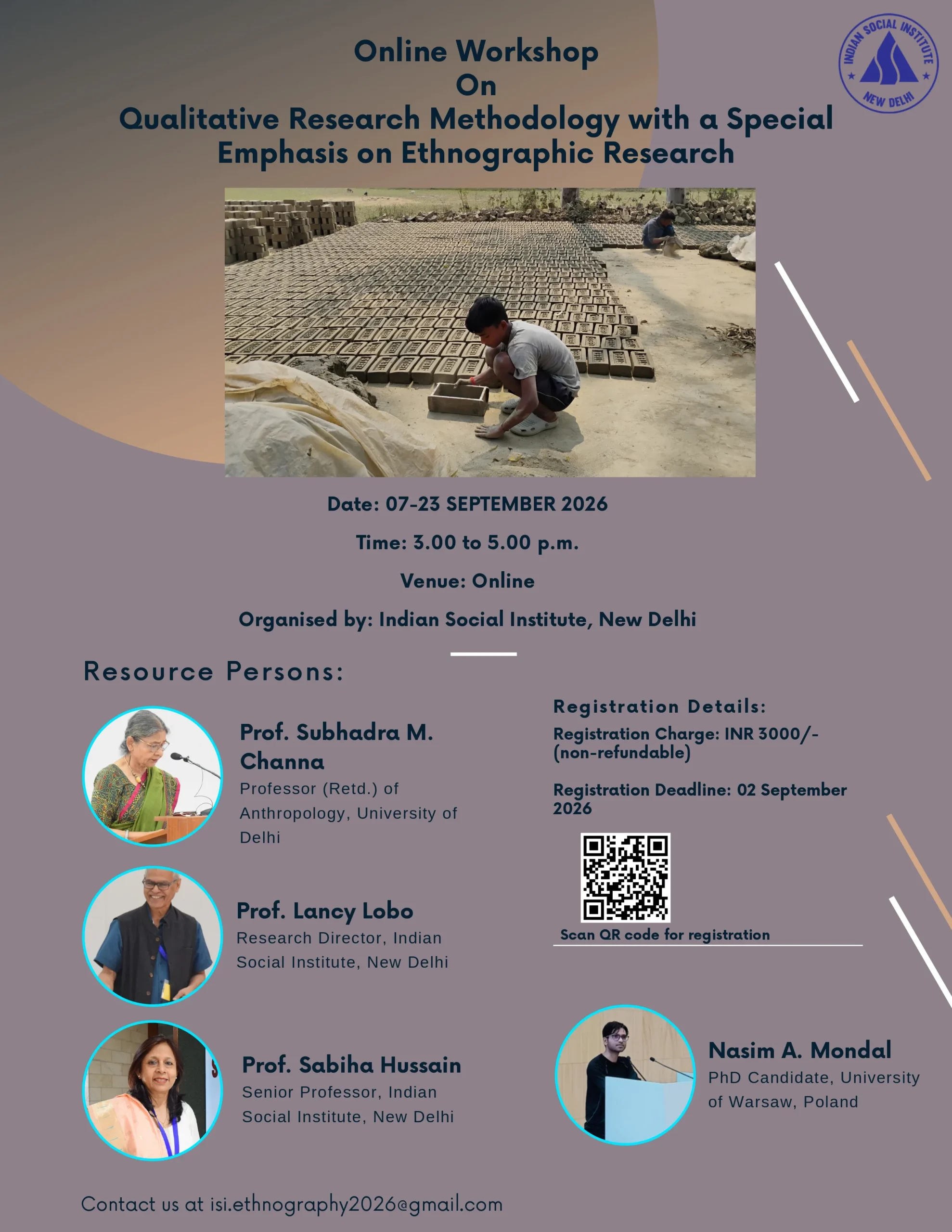
Date: 07-23 September 2026
Time: 3.00 to 5.00 pm
Venue: Online
Organized by Indian Social Institute, New Delhi
About the Workshop
A significant component of the workshop will focus on ethnography, examining its origins in anthropology, historical development, and transformations in post-colonial, urban, gendered, and digital contexts. Participants will be introduced to key ethnographic theories, techniques, and methods, including participant observation, fieldwork, questions of subjectivity and reflexivity, feminist and digital ethnography, and the ethics of fieldwork. By combining theoretical grounding with practical training, this workshop aims to equip participants with critical perspectives and methodological skills to conduct robust qualitative research. They will also be trained in processing the information collected, joining the dots and doing meaningful analysis and report writing. A short field visit by participants will provide hands-on experience, ensuring that they gain both conceptual clarity and practical competence in ethnographic research.
Registration Details
Registration Charge: INR 3000/- (Please note that payment is non-refundable)
Registration Deadline: The registration deadline is 02 September 2026.
For registration and payment, click on the link:
https://forms.gle/QrWQo7wCMC4pdBdx7
Who can register?
Postgraduate students, PhD scholars, post-docs, faculty, early-career researchers, NGO
professionals or any other interested individuals.
Anticipated Benefits: Hone skills for people-centred research, useful for all those involved
in public health, administration, human resource management, working in NGOs and doing
social work and for those doing research in social science and humanities.
An e-certificate will be issued to those who register and complete the course.
Resource Persons
Prof. Subhadra M. Channa, Retired Professor of Anthropology, University of Delhi
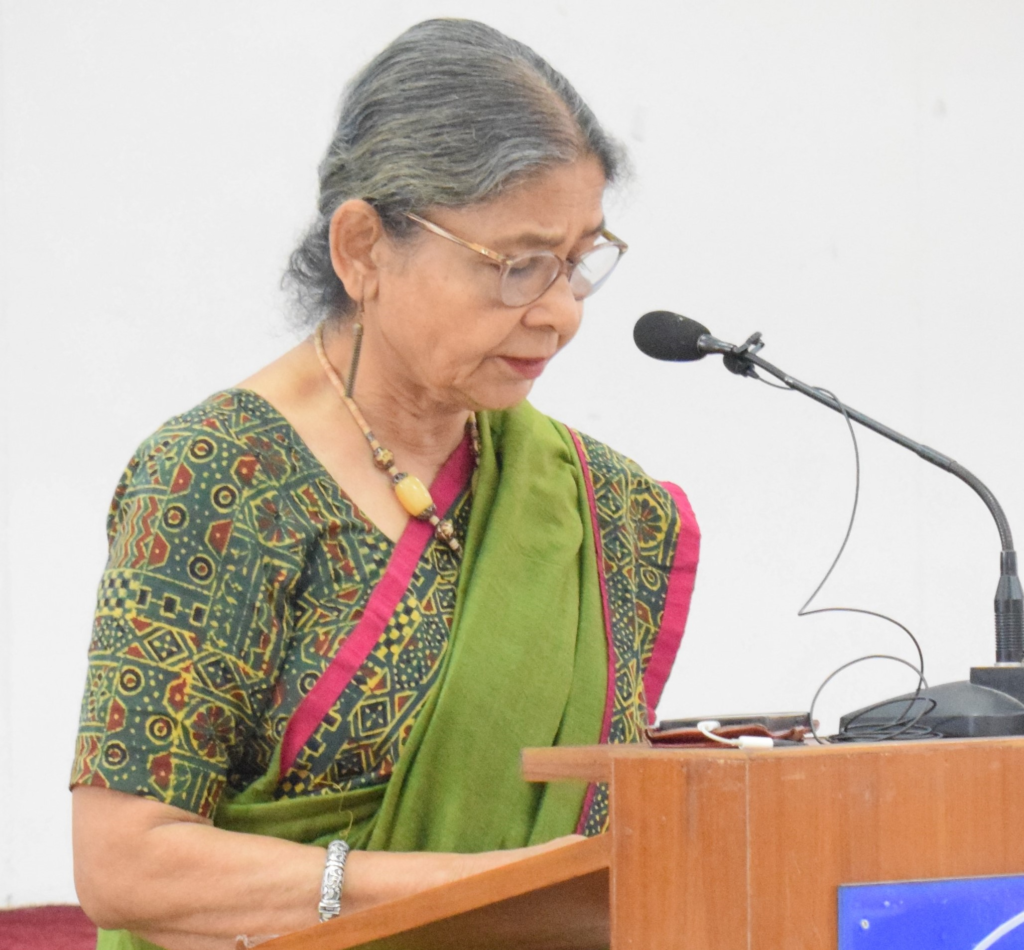
Prof. Subhadra Mitra Channa taught Anthropology at the University of Delhi. Her areas of interest are marginalisation and identity, gender, religion and cosmology, ecology and landscapes. She was a Charles Wallace Fellow to the UK (Queen’s University 2000) and a Visiting Professor to MSH, Paris (2002), a Fulbright visiting lecturer to the USA (2003) and a Visiting Professor in 2008-9 to USC, USA, and a Visiting Professor to the University of Bahia, Brazil, 2019.
Prof. Lancy Lobo, Research Director, Indian Social Institute, New Delhi
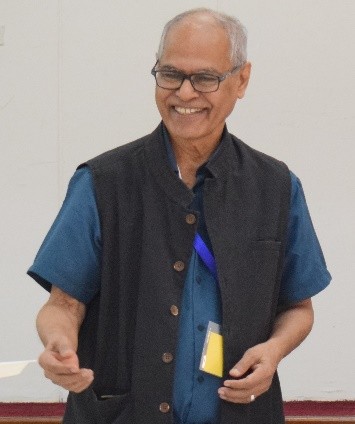
Prof. Lancy Lobo has a doctorate in sociology from the Delhi School of Economics, University of Delhi. He was the founder and Director of The Centre for Culture and Development, Vadodara. He also served as Director of the Centre for Social Studies, Surat, under the Indian Council of Social Science Research, Delhi (Ministry of Human Resources). He has extensively studied Dalits, tribals, OBCs and minorities in rural and urban Gujarat. He was an International Fellow at the Woodstock Centre, Georgetown University, Washington, D.C., from 1999 to 2000.
Prof. Sabiha Hussain, Senior Professor, Indian Social Institute, New Delhi
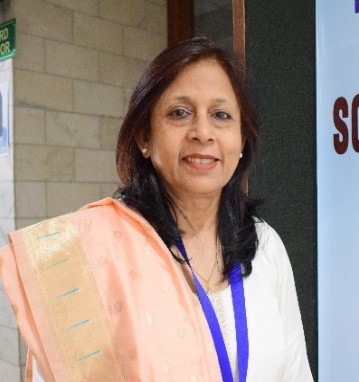
Prof. Sabiha Hussain is currently working as a Senior Professor at the Indian Social Institute, New Delhi. She was a Professor and Director of the Sarojini Naidu Centre for Women’s Development Studies and the Centre for the Study of Social Exclusion and Inclusive Policies, Jamia Millia Islamia, New Delhi. Before joining Jamia Millia Islamia, she worked for a decade at the Centre for Women’s Development Studies in New Delhi. She has obtained her PhD from Jawaharlal Nehru University. She has more than 39 years of teaching and research experience.
Nasim Ahamed Mondal, PhD Candidate, University of Warsaw, Poland
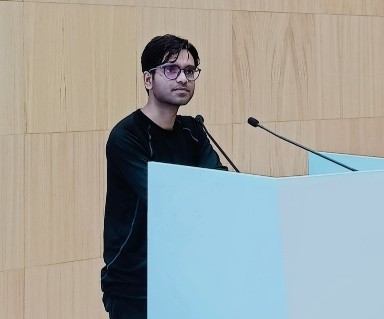
Nasim Ahamed Mondal is a PhD candidate in Sociology at the Centre of Migration Research, University of Warsaw, Poland, where he studies migration, fertility, ageing, and public health. He trained in population studies at IIPS Mumbai and has worked on projects funded by UNICEF, the Population Council, and the National Science Centre, Poland. His qualitative work draws on NVivo-based analysis of interview data, and he has led NVivo training workshops at IIPS Mumbai, TISS Hyderabad, and the G.B. Pant Social Science Institute. He has published over a dozen peer-reviewed articles and was named Best Foreign PhD Student in Poland (INTERSTUDENT 2025).
Course Schedule
| Date: 7 - 23 September 2026 | Time: 3:00 - 5:00 PM |
|---|---|
|
Programme Schedule |
Resource Person(s) |
|
|
|
|
Day 1 (7 September 2026) |
|
|
Welcome Address |
|
|
About the Institute |
Prof. Lancy Lobo |
|
Introduction of Participants and Resource Persons |
|
|
Session 1: Introduction to Qualitative Research |
|
|
1.1 Key concepts and scope of qualitative research
|
Prof. Subhadra M. Channa |
|
1.2 Identifying research problems, framing research questions, and formulating hypotheses |
Prof. Subhadra M. Channa |
|
|
|
|
Day 2 (8 September 2026) |
|
|
Session 2: Introduction to Ethnography |
|
|
2.1 History of ethnography: Origins, colonial traditions, and postcolonial developments |
Prof. Subhadra M. Channa |
|
2.2 Objectivity, subjectivity, critique of positivism, and reflexivity |
Prof. Subhadra M. Channa |
|
|
|
|
Day 3-5 (9-11 September 2026) |
|
|
Session 3: Theoretical Foundations of Ethnography |
|
|
3.1 Foundations of social relations: power, hierarchy, inequality, resistance, resilience, manipulation and symbolic violence |
Prof. Lancy Lobo |
|
3.2 Concepts of society and culture: Changing theoretical approaches |
Prof. Subhadra M. Channa |
|
3.3 Ethnohistory, oral history, cognitive perspectives, worldviews, and cosmology |
Prof. Subhadra M. Channa |
|
|
|
|
Break (12-13 September 2026) |
|
|
|
|
|
Day 6-7 (14-15 September 2026) |
|
|
3.4 Feminist ethnography |
Prof. Sabiha Hussain |
|
3.5 Digital ethnography |
Prof. Sabiha Hussain |
|
|
|
|
Day 8-10 (16-18 September 2026) |
|
|
Session 4: Fieldwork Methods and Techniques |
|
|
4.1 Site selection, rapport building, observation, and participant observation |
Prof. Lancy Lobo |
|
4.2 In-depth interviews, case studies, and other qualitative methods |
Prof. Sabiha Hussain |
|
4.3 Research ethics, fieldwork challenges, and report writing |
Prof. Lancy Lobo |
|
|
|
|
Field Visit / Break (19-20 September 2026) |
|
|
|
|
|
Day 11 (21 September 2026) |
|
|
4.4. Qualitative data analysis using NVivo |
Nasim Ahamed Mondal |
|
|
|
|
Days 12-13 (22-23 September 2026) |
|
|
Session 5: Presentation and Evaluation |
|
|
Presentation, evaluation, and discussion of field reports |
Prof. Subhadra M. Channa, Prof. Lancy Lobo, and Prof. Sabiha Hussain |
|
Valedictory Session |
Dr. Minakshi Sardar |
Expected Outcomes/ Key Takeaways
This workshop will equip participants with a clear understanding of qualitative research, with special emphasis on the ethnographic approach. They will learn to identify research problems, engage in immersive fieldwork through participant observation, and come to an empathetic understanding of the field. The goal of these methods is to train the researcher to look at the world from the other person’s point of view and come to an unbiased and sensitive understanding of the people. Unlike an external point of view, the researcher using qualitative methods is enabled to have an emic and etic understanding of people, which is possible through ethnographic research.
Such research is essential for dealing with any situation that involves humans and their relationships and situations within the world. It is especially relevant for policy-making, dealing with social change, and social disturbances. The sessions will build a critical understanding of concepts, subjectivity, and ethics in ethnographic practice. Participants will also gain practical skills in fieldwork. Through field visits and presentations, they will integrate theory with practice, enhancing their ability to conduct rigorous and meaningful qualitative research independently.
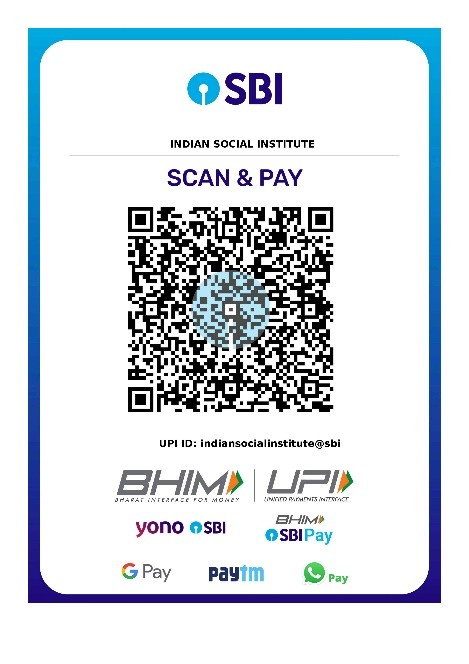
Bank Details for Payment
Account Details
Account Holder’s Name: Indian Social Institute
Account Number: 32335019505
Name of Bank: SBI
Branch: Indian Habitat Centre, Lodhi Road.
Branch Code: 61720
IFSC Code: SBIN0061720
MICR Code: 110002883
Scan QR Code For Payment
Contact Us
Research Department
Indian Social Institute, New Delhi
Email: isi.ethnography2026@gmail.com
Phone: +91-9971747353
Website: https://isidelhi.org.in/